
Thoracic pain complaints are much less common than lumbar and cervical (neck) pain conditions. Around 15% of consultations are for true thoracic pain.
Although most thoracic spinal problems are the result of non-serious conditions, the frequency of serious underlying pathology is greater in thoracic pain. Consultation with a doctor is always wise for a new presentation of thoracic pain.
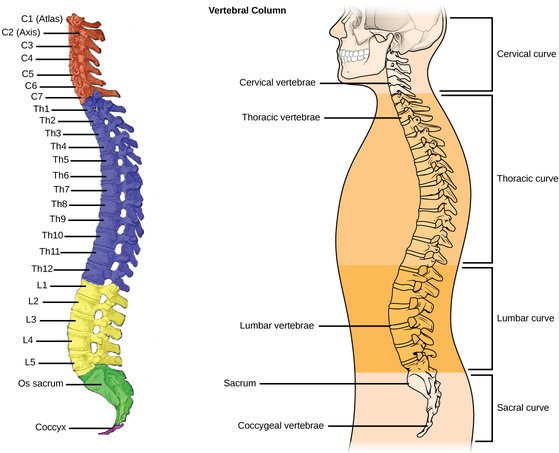
Thoracic Anatomy
The thoracic spine is called by several names, including the upper back, the middle back and the mid-back.
The thoracic spine has a different job to do than the neck and lumbar spinal areas, which have movement as a main function. The thorax holds the lungs and heart and so movement is limited in favour of protecting the internal organs.
There are twelve thoracic vertebrae, separated by discs as in the other areas of the spine. The small facet joints occur on each side between each vertebra.
Upper Back Pain
The upper back area, from the first thoracic vertebra to the sixth, is a very stable area of the spine and has little movement. This means that the typical problems that afflict the neck and low back are very uncommon. These include a prolapsed disc, degenerative disc disease or spinal stenosis.
CT and MRI scanning of the upper back rarely indicate changes that lead to a diagnosis so spinal surgery to this area is usually not indicated.
Who Gets Upper Back Pain?
Upper back pain rarely occurs on its own but more commonly with shoulder and/or neck pain. The change in jobs so that many people spend long periods looking at computer screens may be related to the occurrence of this pain. Getting into a pattern of hunching, with the neck and shoulders forward may be the commonest cause of this problem and retraining ourselves to adopt a more normal posture and have regular breaks may be enough to solve the pain.
Upper Back Pain Causes
Three main causes are thought to contribute to upper back pain:
- Referred neck pain. Pain from the structures in the cervical spine can refer down to as far as the base of the shoulder blade. This is commonly postural and rarely due to any serious or identifiable cause in terms of what structure is giving pain.
- Joint dysfunction. Dysfunction implies that changes in the joints and their surrounding ligaments is causing pain or restricting movement
- Myofascial pain syndrome. This is based on the idea that abnormal muscle activity causes trigger points to develop within the muscles of the shoulder, neck and upper back.
Upper Back Pain Treatment
Physiotherapy is the main treatment for upper back pain relief. A wide range of treatments is available after a thorough assessment to establish the likely contributing factors to the pain. The neck has to be cleared as the potential cause of upper back pain before more local causes can be examined.
Joint dysfunction is treated with spinal manipulation or spinal mobilisations, stretches and upper back pain exercises to ease out tight structures and strengthen up weak muscles. Overall exercise such as weight training and aerobic work can be useful to maintain muscle balance and protect against a recurrence of the upper back pain. Retraining into normal patterns of movement may be all that is needed.
Myofascial pain treatment addresses the likely factors causing the problem, repetitive motions in a static posture and lack of strength and endurance in the upper back muscles.
Physiotherapy for myofascial pain syndrome involves stretching out short and painful muscles and strengthening weak and lengthened muscles. Trigger point therapy can involve vapocoolant spray and stretching, acupuncture, massage or trigger point injections.
References:
- Upper Back Pain. WebMD. http://www.webmd.boots.com/back-pain/guide/upper-back-pain
- Fruth, S. J. (2006). Differential diagnosis and treatment in a patient with posterior upper thoracic pain. Physical therapy, 86(2), 254-268. http://ptjournal.apta.org/content/86/2/254.full.pdf
Last Review Date: 11-12-2019
Next Review Date: 09-12-2021
