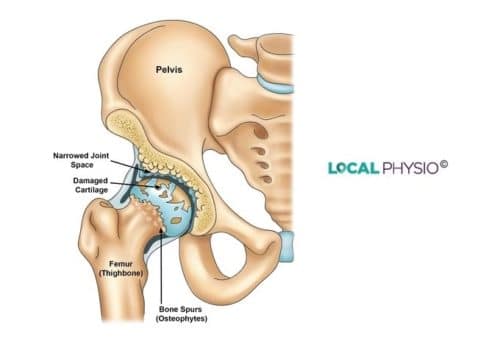
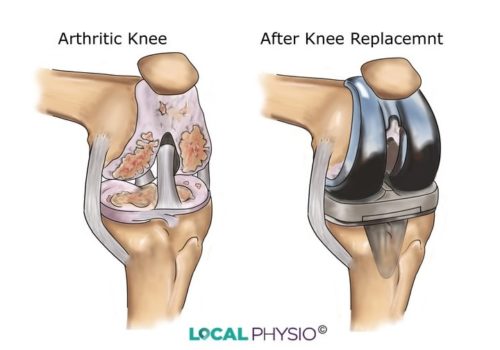
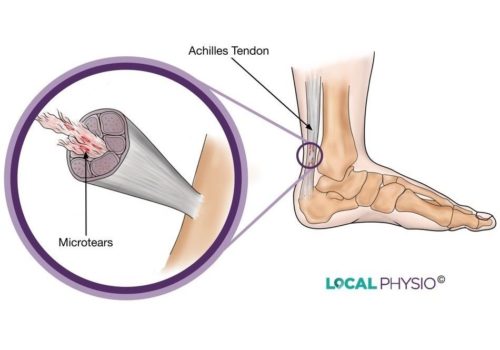
The Management Of Joint PainThere are many different potential causes for joint pain and these include infection, accidents, crystals in the joint, inflammation and articular cartilage damage. The clinical history and joint examination are the strongest guides to establishing a differential diagnosis and once a provisional decision about the likely cause has been made then laboratory investigations can be useful to confirm or refute this. Without an initial guiding thought as to the possible diagnosis investigations can be more confusing than enlightening. The primary effort is in pinning down the likely pain source and then working out the disease process. Joint pain may be coming from within the joint itself, from the anatomical structures around the joint or it can be referred from a remote source. Joint sources of pain include the capsule which surrounds the joint, the periosteal membrane, the synovial membrane lining the capsule, the ligaments and bone under the cartilage, while the joint cartilage itself is insensitive as it possesses no pain nerve endings. Establishing the anatomical structure which is painful is very important as it feeds through to both the diagnosis and treatment of the condition. The typical processes which can lead to joint disease include inflammation of the synovium, inflammation of the bone-ligament and bone-tendon junctions, infection, crystal deposition and abnormalities in the joint. Abnormalities can be structural or caused by joint stresses such as meniscal tears. These kinds of conditions do not just occur on their own but can present in combinations. Synovitis is inflammation of the lining of the joint and is the primary site of inflammation in rheumatoid arthritis and other diseases. The synovium proliferates and spreads, causing a warm, inflamed, puffy joint, and can eat away articular cartilage and bone. Where tendons and ligaments insert for fixation into the bone is known as an enthesis and some arthritic conditions are particularly affected in this area. The local soft tissues of the entheses react to the inflammation by forming bony tissue within them which can grow into bony outgrowths along the structures concerned. A painful and inflamed joint can result from crystal deposition along the ligaments, on the synovial membrane or on the surface of the articular cartilage itself. Depending on the deposition pattern the joint can exhibit general or local symptoms and the warmth, exquisite pain and redness of a gouty joint are easily spotted. An infectious arthritis may be caused by bacteria, viruses or fungi and is typically carried by organisms borne in the blood. The person may be unwell as this can be part of a system wide infection. Infections occur in the synovial membranes with some death of the membrane and significant formation of healing tissue and scar. Bacteria are capable of releasing toxins which have the ability to cause rapid destruction of cartilage. In structural abnormalities of the joint osteoarthritis is the commonest joint pathology in the world, with both internal and external factors affecting its incidence and severity.
The first stage for the examining clinician is to determine the source of the pain more precisely. The joint may be painful or there may be pain from close anatomical structures such as ligaments, tendons or muscles or it may be pain referred from a distant source. The more central joints such as the hip and the shoulder are more difficult to diagnose. Pain referred to the hip area is often not related to the hip joint itself and hip pain could be secondary to trochanteric bursitis, hip osteoarthritis, stenotic lumbar changes or intervertebral disc disease.
|