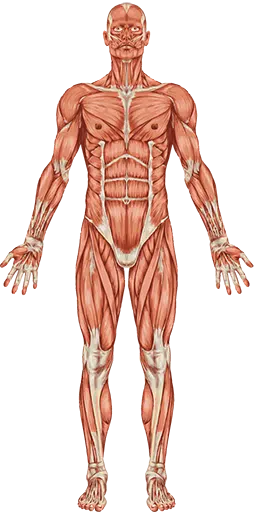
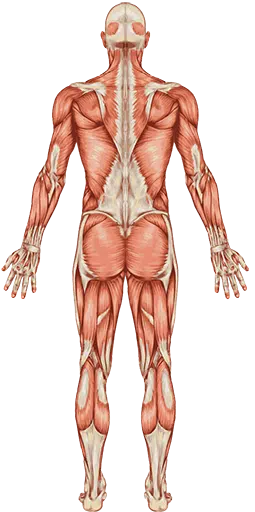
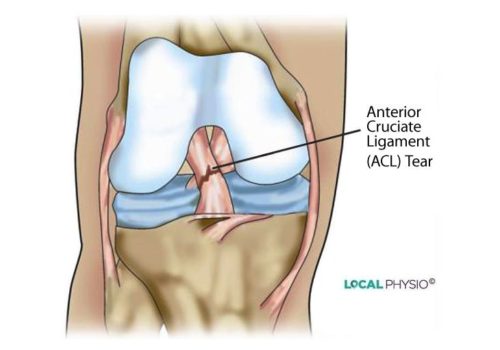
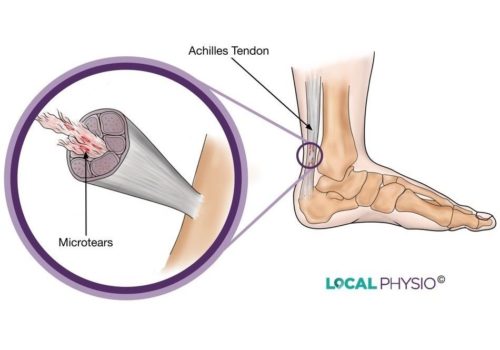
Muscle Pain or MyalgiaMuscle aches and pains are extremely common and can occur for many reasons in many different conditions. They can involve individual muscles or more than one at a time. The structures which surround and connect with muscles, called the connective tissues, can also be involved. Physiotherapists routinely treat patients with muscle pain from a variety of sources. Muscle pain can often be clearly related to injury or overuse, but can also be caused by poor postural behaviour and muscle tension when a muscle is held for a long period in a tense position. Muscle pain is also a common symptom of many diseases and disorders, such as delayed onset muscle soreness (DOMS), fibromyalgia, myofascial pain syndrome and polymyalgia rheumatica. It can also be caused by infections such as ‘flu and Lyme disease and by taking certain drugs. Tendons connect muscles to bone and their tissue spreads throughout the muscle. Injury and pain is a common problem in tendons and their connection areas to the muscles. These areas are often close to the joints and problems are common in shoulder pain, heel pain, hip pain and elbow pain. Trigger pointsTrigger points are defined as localized areas of abnormal soft tissue function which refer pain and discomfort to distant areas. They are often called myofascial trigger points to reflect their location in the muscles and their connective tissues (fascia). The Causes of Trigger PointsTrigger points are thought to be caused by several factors. The original problem may be caused by:
All these actions can cause an interruption in the blood supply and oxygen levels in the muscle tissues. If the blood supply is not sufficient (ischaemia) then the tissue will not have the oxygen and nutrients it needs to maintain normal activity. When we ask a muscle to contract which has insufficient blood supply, we will usually get some pain within the first minute of contraction. This makes the pain nerves sensitive to stresses, either from movement or lack of enough blood, and this pain can become more permanent. This may play a part in the development of myofascial trigger points. Once an area of muscle tissue suffers from reduced blood supply and oxygen levels it has a degree of irritation. This is thought to cause a degree of increased local muscular contraction, a small “tensed up” zone in the muscle which can be felt. These “myofascial bands” can be plucked like a guitar string, giving a sudden burst of the symptoms. Trigger points can be active, giving pain which is commonly referred away from their area of origin to a known place. They can also be silent or latent, only declaring themselves when someone examines the area, and perhaps turning into active trigger points at some time in the future. Fibromyalgia Syndrome (FMS)Fibromyalgia Syndrome is now a well recognised pain syndrome in which the sufferers, most commonly female, have widespread pain, reduced activity, fatigue, poor sleep and multiple trigger points. They are very sensitive to being handled. The American College of Rheumatology, in 1990, defined 18 tender points which were diagnostic of fibromyalgia. On testing, if 11 of these are positive then this, along with the other symptoms, makes the diagnosis of FMS. FMS sufferers complain of significant muscle pain, worsened with even low levels of activity. The pain can continue for long periods after the worsening activity, severely limiting what FMS patients can do. Myofascial Pain Syndrome (MPS)Myofascial Pain Syndrome is a chronic form of muscle pain, a regional pain syndrome which means it is confined to a local area such as the neck and shoulder and not widespread like FMS. Trigger points and muscle pain are present, worsened by use or overuse of the painful area. Myofascial Pain - diagnosing the problemMuch of the diagnosis is by what is called exclusion, which means all other diagnoses have been considered, tested for and rejected as likely causes of the patient’s condition. There are no laboratory tests for this condition so the doctors have only the patient’s reports and their own examination to go on. The person will have regional pain, such as neck and shoulder or back, buttock and thigh for example. There should be trigger points which are painful to pressure and refer pain from those points to the areas which the patient normally complains of. There may also be fatigue, a common finding in the widespread pain syndromes. Other symptoms are deep aching in muscles, stiffness and difficulty sleeping. Psychological symptoms are common and it is not clear what role they play. Some of the mood problems are likely to be reaction to the pain syndrome, others could be contributing factors to the onset of the problem. Treatment of Myofascial Pain SyndromePhysiotherapy is the main treatment for MPS and a variety of therapies is used. This includes trigger point therapy, spray and stretch, stretching exercises, trigger point injections, acupuncture, dry needling, manipulation, exercise, biofeedback and the reduction of personal stress. Massage can also be useful but can be painful in some people. A physiotherapist can also help you with poor posture which can put muscles into abnormal shortened or lengthened positions for extended periods. This can cause muscle pain as the blood supply of the muscle is compromised by the continual contraction. Exercise, relaxation and healthy living are also suggested as helpful strategies for myofascial pain syndrome. Medication such as anti-depressants can help both with depression and with the pain. Interesting Facts about Muscles
|