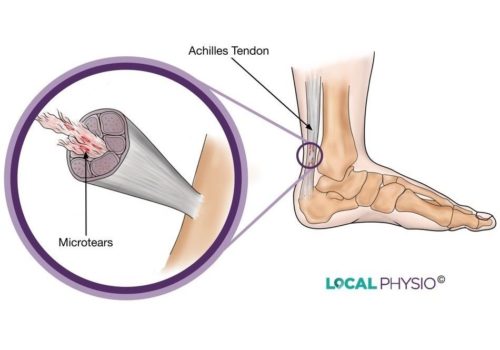
InflammationInflammation is a natural bodily response to injury and is the first part of the healing process. The response of our tissues to injuryTo treat an injury best, it is important to understand the way the body responds to injury, the way it heals and the things which affect healing for good or ill. The body has biological time scales for inflammation and healing, which we need to fit into to get the best result. When injury occursWhen we suffer an injury, our body goes through an organised, consistent process at the site of damage as it attempts to heal the area. When an injury occurs, what gets damaged are the body’s cells and blood vessels. In a sprain, strain, bruise or crush injury, the network of blood vessels in the area is damaged, and oxygenated blood can no longer reach the tissues. This, and the direct force of the injury, causes cells to die, releasing chemicals which cause pain and encourage the next stages of healing. The injured area then consists of blood escaping from blood vessels, dead and dying cells and cell debris. It’s a challenging, low oxygen environment, with the process being essentially the same with an injury to a ligament, tendon or a muscle. The size and severity of the injury are more important factors in management. There are three phases to healing:
The phases, though they follow on from each other, are not completely defined and do overlap to some extent. The inflammatory phase lasts about six days until it gradually gives way to the next. The signs of inflammation
All this frantic activity reminds me of a demolition squad, madly knocking down things and carting them off so something new can be put in its place. The blood has clotted, the macrophages (white blood cells, “big eaters”), move in to clear up debris and digest particles of cell and any bacteria. The way is being prepared for the next stages of healing. Once the cleanup has been completed, healing can proceed.
|